

Easements, Rights of Way, and Things You Don't Know
Posted by Hank Miller on
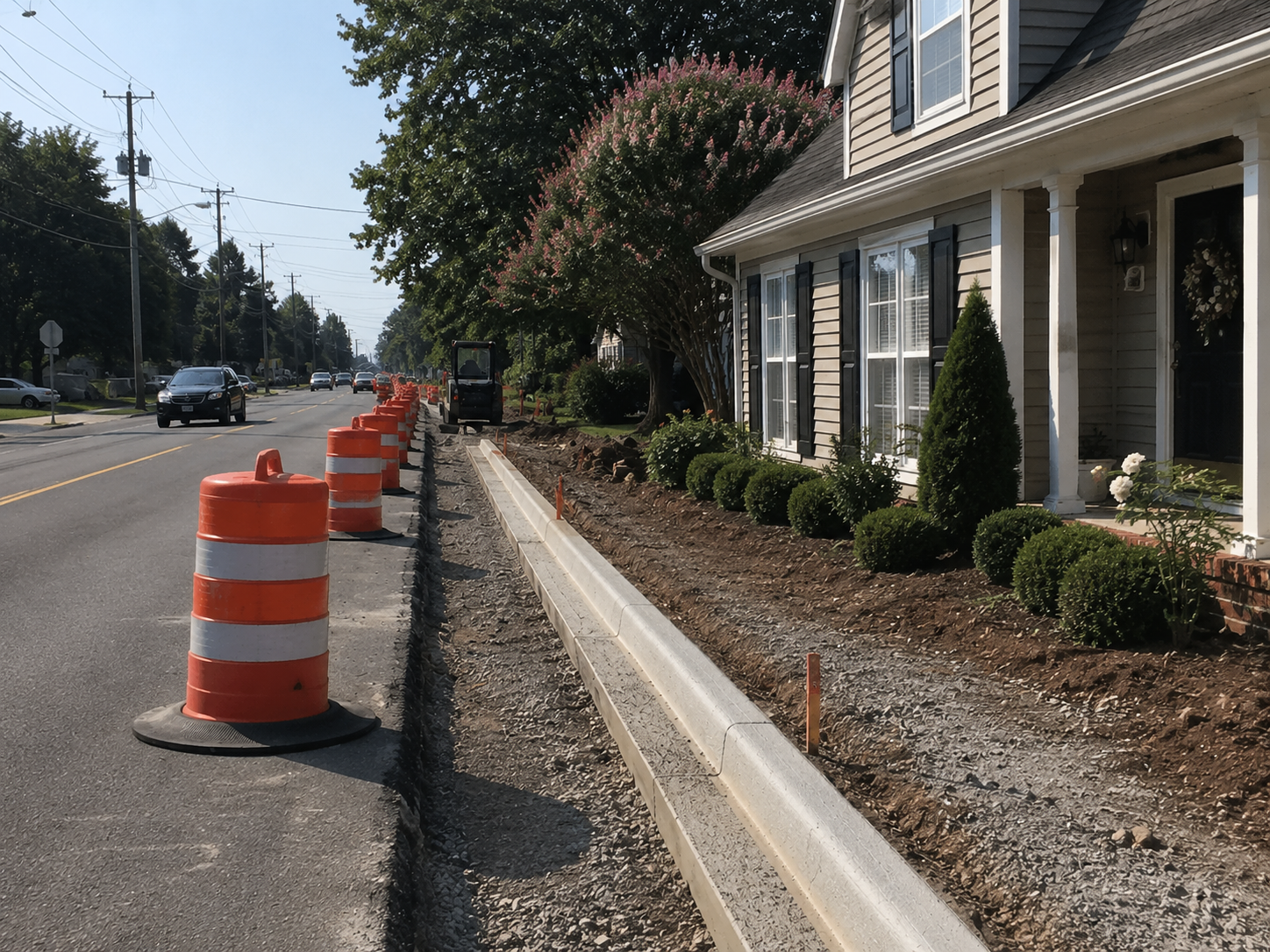 It's shocking, not in a good way, how little is understood about rules that govern the use of a site. Few know the difference between a plat and a survey, or how encroachments, easements, and rights of way might impact a property. Eminent domain, often used for area improvements, is regularly misunderstood. Most alarming is the level of ignorance by real estate agents; the very ones that are expected to counsel buyers and sellers often have zero idea about any of this. But really, is that a surprise?
A great example is in the video below. This is a drainage ditch that carries runoff from the roadway, and it runs across the front yard of a home. In this case it's dressed up a bit, but the municipality has the right to come onto this property, as/ if…
101 Views, 0 Comments
 When buying a home, buyers often hear the terms plat and survey used as if they mean the same thing. They do not. The majority of real estate agents are similarly ignorant about the differences, unable to explain each and how they can be used by a home buyer. Understanding the difference can help home buyers avoid surprises and better protect themselves before closing.
 Institutional investors are not the enemy of traditional homebuyers. They do not compete for inventory; traditional homebuyers cannot buy what real estate investors buy. 89.6% of single-family rentals are held by “mom-and-pop” landlords who own between 1 and 5 rental properties. The media continues to do an outstanding job of misrepresenting what a “real estate investor” is, conflating “institutional investors” with the “mom and pop” investor. It makes for fantastic click bait given the public’s 10 second attention span. The MSM should examine the “rules” traditional homebuyers are subject to as well as what those in the lower price tier are up against. It will then be obvious; there is no competition. In fact, institutional investors were net SELLERS…
 Who is responsible for a tree that grows on or near a property line? What rights do you have if a neighbor’s tree, vines, or other plants grow into your yard? Fence line disputes can get confusing in Georgia, especially when vines start creeping over or trees begin to encroach into your yard. Here’s the simple version; if something grows onto your side, you can trim branches, vines, or roots that cross onto your property. You can usually do this without asking first, but you must stop at the property line. First step – know where your property line is! The fence might not be it.

 Moving out of a house can get surprisingly emotional—especially when a seller takes what they shouldn't as they leave. Maybe it’s the large wall mirror, the cool smart thermostat, a custom light fixture, or even that little Japanese Maple they’ve babied for years. So what stays and what goes (can go)? That devil is in the details, and in Georgia, those details are in the Seller's Disclosure. It boils down to the definition of a "fixture" and how the seller completes the seller's property disclosure. Among other things, that document states what stays and what goes. Failure to understand this critically important document is the reason that this is the most common problem surrounding a home sale.
 Our predictions for the 2026 Greater Atlanta real estate market are a bit different than the other talking heads. We developed our expectations in the field, not from behind a desk. We’re out in the dirt every single day, this is all we do. Our opinions are granular; based on LOCAL data, interaction with other local professionals, and a dash of trusted regional/national data. We consider ResiClub the most credible of those, a fantastic aggregator and their presentation is thorough and completely unbiased.

 Home builders are concerned only about their bottom line. Homebuyers are a means to an end, it is all business. Those of us that remember the ’08-’09 crash, see many similarities in the current environment. Builder arrogance remains, but they now again must seek to court favor with buyers and agents. Don’t fall for the nonsense, the bottom line is their only concern. Anything done with builders must be done very carefully and with a complete understanding that they will make the rules.
 The best agent isn’t defined by proximity; they’re defined by competence. The fallacy of the neighborhood real estate agent as having an advantage over others is one of the biggest myths in real estate. It’s easy to assume that the best agent to sell their home is one who lives in the neighborhood or has the most signs nearby. It sounds logical, who knows the area better than a local? But sellers that don't challenge this myth might very well be stepping on a financial landmine.